
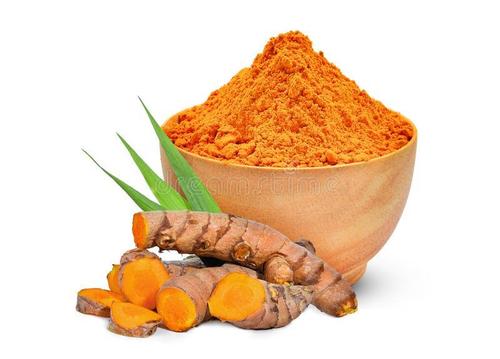
Turmeric: The Golden Spice
Understanding curcumin, traditional use, and culinary applications
Last updated: December 1, 2024
Educational Information Only
This content is for educational purposes only and is not intended as medical advice, diagnosis, or treatment. The information provided about ingredients and their traditional uses is based on historical and cultural practices, not medical claims. We do not claim that any ingredient can prevent, treat, cure, or diagnose any disease or medical condition.
Always consult with a qualified healthcare provider before making significant changes to your diet or supplement routine, especially if you have existing health conditions or are taking medications.
Print-ready QR Code
Print-ready QR Code

Print-ready QR Code
This QR code is designed for packaging and print materials. Scan to access this ingredient information page.
Perfect for product packaging, labels, and marketing materials.
What It Is
Turmeric (Curcuma longa) is a flowering plant in the ginger family, native to Southeast Asia. The spice comes from the plant's rhizomes (underground stems), which are boiled, dried, and ground into a vibrant yellow-orange powder. Turmeric has been used in Ayurvedic medicine for over 4,000 years and is a cornerstone of traditional Indian cuisine.
The primary active compound in turmeric is curcumin, which gives turmeric its distinctive golden color and many of its documented properties. Curcumin is a polyphenol with antioxidant and anti-inflammatory characteristics.
Taste & Aroma Notes
Turmeric has a warm, earthy, and slightly bitter flavor with a subtle peppery note. Its aroma is mild and woody, with hints of ginger and orange. The spice adds a beautiful golden-yellow color to dishes, making it both a flavoring agent and a natural food coloring.
When used in cooking, turmeric's flavor is enhanced when combined with black pepper and healthy fats, which can help improve the body's absorption of curcumin.
How to Use
- Golden Milk/Latte: Combine turmeric with warm milk (or plant-based milk), a pinch of black pepper, and optional sweetener for a traditional Ayurvedic beverage
- Curries and Stews: Add 1-2 teaspoons to curries, soups, and stews for color, flavor, and warmth
- Smoothies: Blend a teaspoon into smoothies with fruits and vegetables for an antioxidant boost
- Rice and Grains: Stir into rice, quinoa, or other grains while cooking for color and subtle flavor
- Marinades and Dressings: Mix into marinades for meats or vegetables, or whisk into salad dressings
Quality Notes
Storage: Store turmeric powder in an airtight container in a cool, dark place. Keep away from light and moisture to preserve its color and potency.
Freshness: High-quality turmeric should have a vibrant golden-yellow color and a fresh, earthy aroma. If the powder appears dull or has lost its aroma, it may have lost some of its active compounds.
Sourcing: Look for organic turmeric from trusted sources. The quality of the rhizomes and the processing method can affect the curcumin content and overall quality of the powder.
What We Do Not Claim
Important: This information is for educational purposes only and is not intended as medical advice, diagnosis, or treatment. Turmeric and curcumin are dietary ingredients, not medications. We do not claim that turmeric or curcumin can prevent, treat, cure, or diagnose any disease or medical condition. Always consult with a qualified healthcare provider before making significant changes to your diet or supplement routine, especially if you have existing health conditions or are taking medications.
References
- 1
Susan J. Hewlings, Douglas S. Kalman (2017). Curcumin: A Review of Its' Effects on Human Health. Foods.
DOI: 10.3390/foods6100092
Accessed: 2024-12-01 | Type: systematic review
- 2
Sahdeo Prasad, Bharat B. Aggarwal (2013). Turmeric, the Golden Spice: From Traditional Medicine to Modern Medicine. Herbal Medicine: Biomolecular and Clinical Aspects.
DOI: 10.1201/b10787-14
Accessed: 2024-12-01 | Type: book chapter
- 3
Shoba G, Joy D, Joseph T, Majeed M, Rajendran R, Srinivas PS (2017). Enhancement of Curcumin Bioavailability by Piperine. Planta Medica.
Accessed: 2024-12-01 | Type: clinical study
- 4
Giovanni Scapagnini, Sergio Davinelli, Giuseppe Di Renzo, Giovanni De Lorenzo, Hector Olarte, Giuseppe Micali, Antonio Pinto, Giuseppe Scapagnini (2014). Curcumin and Gastrointestinal Cancers: A Review. Current Pharmaceutical Design.
DOI: 10.2174/13816128113199990582
Accessed: 2024-12-01 | Type: review article
- 5
Menon VP, Sudheer AR (2015). Antioxidant and Anti-inflammatory Properties of Curcumin. Advances in Experimental Medicine and Biology.
DOI: 10.1007/978-0-387-46401-5_3
Accessed: 2024-12-01 | Type: book chapter