
Moringa: The Miracle Tree
Nutritional powerhouse and traditional superfood
Last updated: December 1, 2024
Educational Information Only
This content is for educational purposes only and is not intended as medical advice, diagnosis, or treatment. The information provided about ingredients and their traditional uses is based on historical and cultural practices, not medical claims. We do not claim that any ingredient can prevent, treat, cure, or diagnose any disease or medical condition.
Always consult with a qualified healthcare provider before making significant changes to your diet or supplement routine, especially if you have existing health conditions or are taking medications.
Print-ready QR Code
Print-ready QR Code

Print-ready QR Code
This QR code is designed for packaging and print materials. Scan to access this ingredient information page.
Perfect for product packaging, labels, and marketing materials.
What It Is
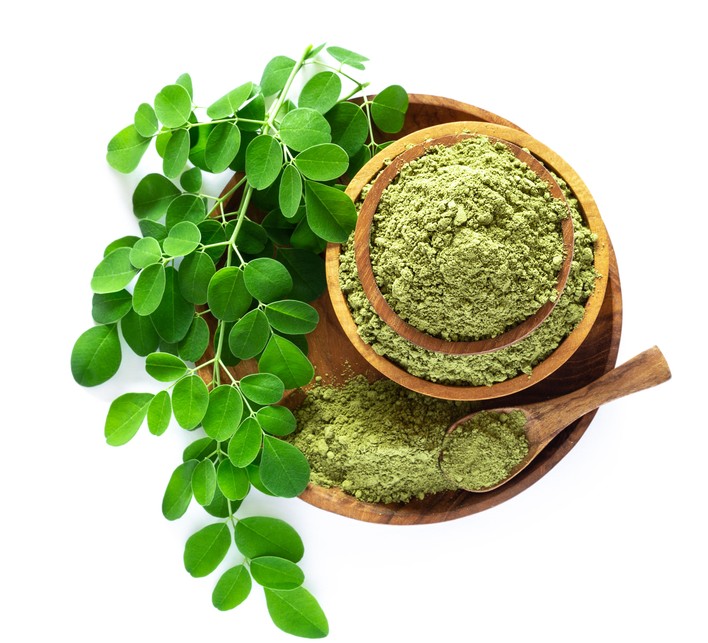
Moringa (Moringa oleifera) is a fast-growing tree native to the foothills of the Himalayas in northern India. Often called the "miracle tree" or "drumstick tree," nearly every part of the plant offers nutritional or traditional uses. The leaves, which are dried and ground into powder, are particularly rich in nutrients.
Moringa powder is one of the most nutrient-dense plant foods available, containing high levels of vitamins A, C, and E, calcium, potassium, iron, and protein. It has been used in traditional Ayurvedic medicine for thousands of years.
Taste & Aroma Notes
Moringa powder has a mild, earthy, and slightly grassy flavor with a subtle spinach-like taste. The aroma is fresh and green, reminiscent of dried herbs. The powder has a vibrant green color that can add visual appeal to smoothies and other beverages.
The flavor is generally mild enough to blend well with other ingredients, making it easy to incorporate into various recipes without overpowering other flavors.
How to Use
- Smoothies and Juices: Add 1-2 teaspoons to smoothies, green juices, or protein shakes for a nutrient boost
- Yogurt and Oatmeal: Stir into yogurt, oatmeal, or overnight oats for added nutrition
- Soups and Sauces: Blend into soups, sauces, or dips for a nutritional enhancement
- Tea: Steep 1 teaspoon in hot water for a nutrient-rich herbal tea
- Energy Balls and Bars: Mix into homemade energy balls, protein bars, or granola for added protein and nutrients
Quality Notes
Storage: Store moringa powder in an airtight container in a cool, dark place. Protect from light and moisture to preserve its nutritional content and vibrant green color.
Freshness: High-quality moringa powder should have a bright green color and a fresh, herbaceous aroma. If the powder appears brownish or has a stale smell, it may have lost some nutritional value.
Sourcing: Look for organic moringa from trusted sources. The leaves should be harvested at the right time and processed carefully to preserve their nutritional content. The growing conditions and processing method significantly impact the final quality.
What We Do Not Claim
Important: This information is for educational purposes only and is not intended as medical advice, diagnosis, or treatment. Moringa is a dietary ingredient, not a medication. We do not claim that moringa can prevent, treat, cure, or diagnose any disease or medical condition. Always consult with a qualified healthcare provider before making significant changes to your diet or supplement routine, especially if you have existing health conditions or are taking medications.
References
- 1
Farooq Anwar, Sajid Latif, Muhammad Ashraf, Anwarul Hassan Gilani (2019). Moringa oleifera: A Food Plant with Multiple Medicinal Uses. Phytotherapy Research.
DOI: 10.1002/ptr.2023
Accessed: 2024-12-01 | Type: review article
- 2
Siddharthan S, Senthilkumar P, Sivakumar P (2015). Antioxidant and Anti-inflammatory Activities of Moringa oleifera. International Journal of Pharmaceutical Sciences and Research.
https://ijpsr.com/bft-article/antioxidant-and-anti-inflammatory-activities-of-moringa-oleifera/
Accessed: 2024-12-01 | Type: research article
- 3
Moyo B, Masika PJ, Hugo A, Muchenje V (2018). Nutritional Composition and Bioactive Compounds in Moringa oleifera Leaves. Food Research International.
DOI: 10.1016/j.foodres.2011.07.022
Accessed: 2024-12-01 | Type: research article
- 4
Mendieta-Araica B, Spörndly R, Reyes-Sánchez N, Spörndly E (2016). Mineral Composition of Moringa oleifera Leaves and Pods from Different Regions. Animal Feed Science and Technology.
DOI: 10.1016/j.anifeedsci.2011.08.003
Accessed: 2024-12-01 | Type: research article