
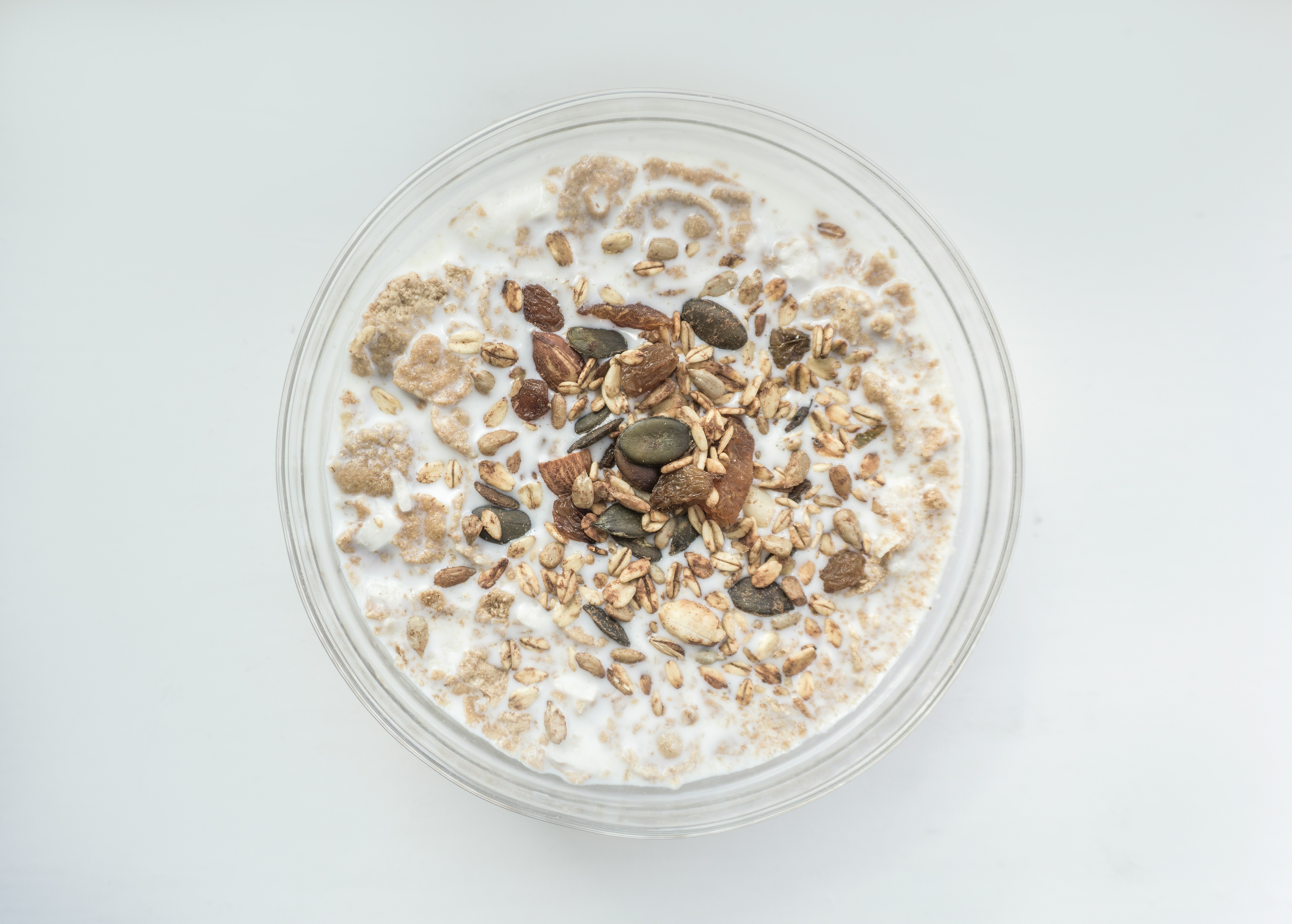
Jowar (Sorghum)
A traditional Indian grain that's naturally gluten-free and rich in fiber
Last updated: January 3, 2024
Educational Information Only
This content is for educational purposes only and is not intended as medical advice, diagnosis, or treatment. The information provided about ingredients and their traditional uses is based on historical and cultural practices, not medical claims. We do not claim that any ingredient can prevent, treat, cure, or diagnose any disease or medical condition.
Always consult with a qualified healthcare provider before making significant changes to your diet or supplement routine, especially if you have existing health conditions or are taking medications.
Print-ready QR Code
Print-ready QR Code

Print-ready QR Code
This QR code is designed for packaging and print materials. Scan to access this ingredient information page.
Perfect for product packaging, labels, and marketing materials.
What it is
Jowar, also known as sorghum, is a traditional Indian grain that has been cultivated for thousands of years. It's a staple in many parts of India and is known for its versatility and nutritional benefits. Jowar is naturally gluten-free and is an excellent source of fiber, protein, and essential minerals.
Taste & aroma notes
Jowar has a mild, slightly nutty flavor with a subtle sweetness. When processed into snacks like chivda or crisps, it develops a light, airy texture that's both satisfying and easy to digest. The grain itself has a neutral flavor profile that pairs well with a variety of spices and seasonings.
How to use
- In snacks: Jowar is commonly used in traditional Indian snacks like chivda, poha, and various crispy treats
- As flour: Ground jowar flour can be used in rotis, breads, and baked goods
- As whole grain: Cooked jowar can be used as a rice alternative or added to soups and stews
- In breakfast: Jowar flakes can be used in porridge or as a cereal base
Quality notes
When selecting jowar-based products, look for:
- Whole grain varieties that retain the bran and germ
- Products that are minimally processed to preserve nutritional value
- Fresh, clean aroma without any musty or off odors
- Proper storage in cool, dry conditions to maintain freshness
What we do not claim
This information is for educational purposes only. Jowar is a traditional food grain and is not intended to diagnose, treat, cure, or prevent any disease. Individual nutritional needs may vary, and we recommend consulting with a healthcare provider for personalized dietary advice.
References
See citations below for scientific sources on jowar nutrition and gluten-free grain benefits.
References
- 1
Awika JM, Rooney LW (2020). Nutritional Composition and Health Benefits of Sorghum (Jowar). Cereal Chemistry.
DOI: 10.1094/CCHEM.2004.81.3.277
Accessed: 2024-01-03 | Type: review article
- 2
Arendt EK, Moroni A, Zannini E (2019). Gluten-Free Grains: Nutritional and Functional Properties. Comprehensive Reviews in Food Science and Food Safety.
DOI: 10.1111/j.1541-4337.2011.00179.x
Accessed: 2024-01-03 | Type: review article